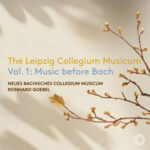
The Leipzig Collegium Musicum : volume 1 : Musique avant Bach. Johann Beer (1655-1700) : Ouverture pour cordes et basse continue en ré majeur. Johann David Heinichen (1683-1729) : Ouverture pour deux hautbois, cordes et basse continue en sol majeur, S. 205. Johann Friedrich Fasch (1688-1756) : Concerto pour flûte, cordes et basse continue en fa majeur. Georg Melchior Hoffmann (1679-1715) : Concerto pour cor, deux hautbois, cordes et basse continue. Christoph Graupner (1682-1760) : Concerto pour flûte, cordes et basse continue en fa majeur, GWV 323. Georg Philipp Telemann (1681-1767) : Concerto pour deux hautbois, trois violons et basse continue en si bémol majeur, TWV 44:43. Neues Bachisches Collegium Musicum, direction Reinhard Goebel. 2024. Notice en anglais et en allemand. 65’ 07’’. Pentatone PTC 5187 592.
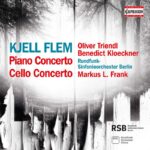
Kjell Flem (°1943) : Concerto pour piano et orchestre ; Concerto pour violoncelle et orchestre. Oliver Triendl, piano ; Benedict Kloeckner, violoncelle ; Rundfunk Sinfonieorchester Berlin, direction Markus L. Frank. 2025. Notice en anglais et en allemand. 66’ 05’’. Capriccio C5559.
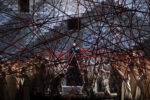
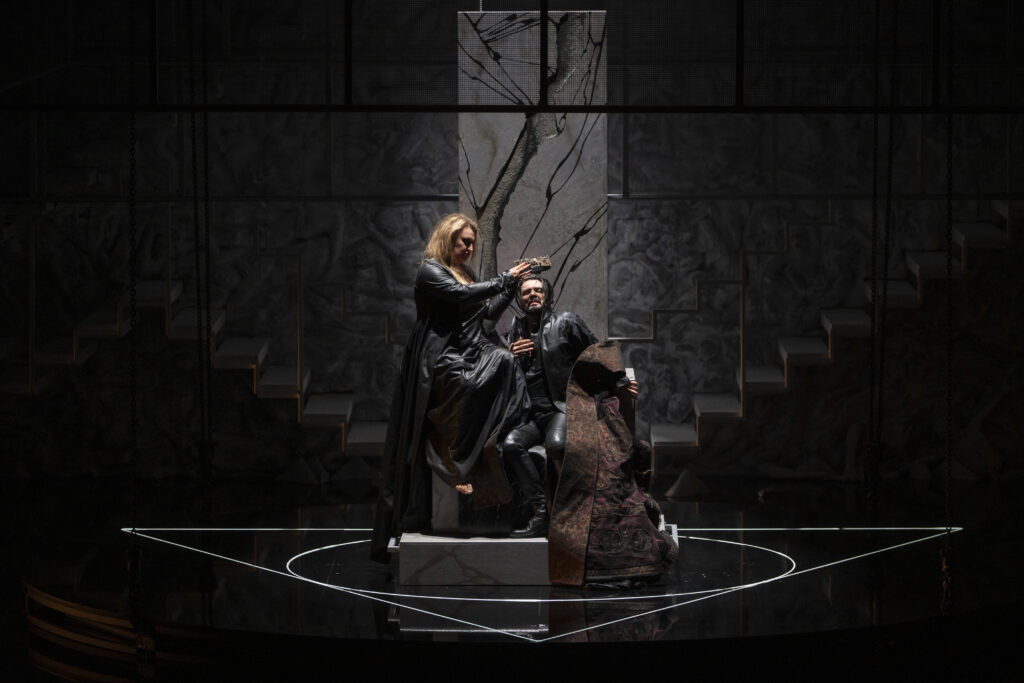
Avec Macbeth, Verdi signe sa première rencontre avec Shakespeare et c'est d'emblée un chef-d'œuvre. Le compositeur italien excelle en effet à donner le grand souffle qu'exige ce drame puissant tout en signant une caractérisation pointue des protagonistes. Il montre aussi une rare habileté à donner à chaque scène son juste climat dramatique, passant ainsi des bacchanales affolantes des sorcières aux grandes scènes d'ensemble à la cour et aux moments de trouble intime des deux époux. Et ici, c'est clairement Lady Macbeth qui mène le jeu : elle aspire au pouvoir et pousse son époux à tuer le roi et à se protéger par le meurtre de ses contestataires potentiels. Cette morgue convaincante ne l'empêche pas de délirer en plein banquet du couronnement, ni de sombrer à la fin dans un somnambulisme qui prédit déjà sa fin prochaine.
C'est dire si le rôle est central dans la distribution vocale de la soirée, la cantatrice passant par d'audacieux sauts de tessiture qu'Ewa Płonka maîtrise avec une ardeur redoutable : aigus cinglants (parfois criards au début), médiums imposants (toujours contrôlés) dans ses désirs de pouvoir, rondeur âpre de ses ébats amoureux où elle domine allégrement un Macbeth éperdu, plongée hallucinée dans l'inconscient du Brindisi et abandon fatal de la scène de somnambulisme. Arrogante à ses débuts, la soprano américano-polonaise impose un sentiment humain ravageur au fil du récit et sombre dans un néant assouvi à la fin du drame. Le timbre épouse ces sensations très diverses avec des bonheurs variés mais avec un instinct dramatique qui s'impose de bout en bout. Une sacrée performance à côté de laquelle les autres intervenants savent rester à leur place. Un mélange de volonté de puissance et de contrition mal gérée chez le Macbeth engagé et torturé de Luca Micheletti, une gravité inquiète qui se mue en douleur quand il sent venir la trahison de Macbeth qui le fait assassiner chez le Banquo de Gianluca Buratto, la juvénilité émue de Matteo Desole dans le Macduff à l'évocation de sa famille assassinée.
C’est toujours un plaisir de retrouver le chef d’orchestre Paul Daniel, que l’on connaît bien en Belgique, où il a souvent dirigé — en particulier à Bruxelles et à Liège — et où il est hautement apprécié. En prélude au concert donné à Manchester et à l’enregistrement, chez Opera Rara, de Barkouf d’Offenbach — un nouvel enregistrement qui sera sans aucun doute un événement, après l’immense succès de La Princesse de Trébizonde —, conversation à bâtons rompus avec un chef d’orchestre à la curiosité insatiable et à l’enthousiasme communicatif.
Qu’est-ce qui vous attire personnellement chez Offenbach ?
D’abord la musique. À l’opéra, on passe sa carrière à scruter le texte, le livret, à chercher pourquoi le compositeur a écrit ce texte-là avec ces notes-là. On ne cesse de le répéter aux chanteurs : sans texte, pas d’opéra — le compositeur resterait devant sa table sans rien écrire. Chez Offenbach, les livrets sont souvent brillants. Mais la musique, elle, est la propulsion même. Il ne néglige jamais le texte, mais cette musique qu’il porte en tête agit comme un moteur d’une énergie incroyable, qui se déverse dans tous ses ouvrages — au point d’être presque plus importante que le texte.
En travaillant la partition ces jours-ci, je suis frappé par la vélocité de cette écriture : tout est prestissimo. Puis on tourne une page et surgit un mouvement lent d’une beauté saisissante : une barcarolle, un peu comme celle des Contes d’Hoffmann, mais ici conçue comme un immense ensemble avec solistes et chœur, à la manière de ces grands finals d’acte de Verdi, dans La traviata ou Don Carlos. Offenbach connaissait tous ces compositeurs. Et pourtant : jouez quelques mesures d’Offenbach, vous savez immédiatement que c’est lui. De combien de compositeurs peut-on dire cela ? De Mozart, sans doute, de Janáček, peut-être. Offenbach est un peu comme une éponge dans le Paris de ces années-là : Verdi, Wagner, tout le monde vient y verser sa musique — on s’y noyait presque. Et Offenbach gardait sa signature. C’est ce qui m’exalte : la même sensation qu’en dirigeant Janáček, celle d’une imagination d’une originalité inouïe.
Rossini voyait en lui « le Mozart des Champs-Élysées ». Vous vous retrouvez dans la formule ?
J’adore cette formule — même si y souscrire donne à Offenbach des airs de compositeur très sérieux. Car Mozart, c’est le dieu absolu, et Offenbach le vénérait, bien sûr. Mais ce « Mozart »-là garde une voix entièrement sienne, et une mission : semer le plus de trouble possible. Offenbach est le fauteur de troubles. Partout où il passe, il subvertit, il renverse les traditions, il fait autrement. Il fut aussi prolifique que Mozart, avec une fluidité d’écriture merveilleuse. Rossini l’avait compris.
Est-il difficile de trouver le juste style pour cette musique — pour les chanteurs, l’orchestre, le chœur ?
Avec Offenbach — un peu comme avec Rossini —, on retient volontiers un seul style : la musique rapide, la veine comique. Or il a écrit dans une infinité de couleurs. Le danger, c’est de partir de cette écriture brillante et véloce et d’y faire entrer de force toute la partition. Offenbach ne cesse d’ouvrir de nouvelles pages : un air, un duo, ce grand ensemble dont je parlais. Barkouf est une comédie, et la musique doit être affairée, vive — mais il y a aussi des pages d’une grande tendresse : Saëb, le ténor amoureux de Maïma ; Maïma et Balkis qui se confient leurs amours et leurs espoirs. Cette musique-là exige un autre style. Il faut donc trouver de multiples couleurs — ce n’est pas seulement rapide et drôle.
Parfois, on croirait du premier Verdi. Et parfois, Offenbach rend hommage à la musique française ancienne. Il y a dans Barkouf des moments très délibérés d’hommage à Rameau. Rameau n’était pas joué dans le Paris d’alors — sa résurrection viendra plus tard —, mais Offenbach connaissait son Rameau : il était allé en étudier les partitions dans les bibliothèques. Alors, un peu comme Debussy le fera, il écrit délibérément dans le style ancien, comme pour dire : je salue aussi la vieille musique de France. C’est fait avec une intelligence rare — à quelques endroits, le chœur chante dans un véritable style antique, telle une petite danse sortie d’un ballet de Rameau.
Chaque année, le festival « Les Solistes à l’Orangerie d’Autheuil » propose un panorama de pianistes installés en France. Chaque programme comprend une œuvre contemporaine, faisant de cette manifestation une référence en matière de création musicale pour piano. L’édition 2026, du 4 au 6 septembre, est marquée par la diversité des styles, des caractères et des tempéraments.
Paul Lecoq : déjà un grand piano
Paul Lecoq, premier prix du concours Clara Haskil en 2025, ouvre la série le 4 septembre. À seulement 21 ans, le jeune pianiste affiche déjà une forte personnalité musicale. Dans la Partita n° 4 de Bach, toutes les notes sont subtilement détachées, avec des touchers légers et une pédale très discrète. L’approche polyphonique est évidente. Il sait aussi donner à la musique une véritable théâtralité baroque, notamment par les arrêts et les pauses subits, tandis que la Gigue se montre vive et très enlevée. Avec Jörg Widmann (« Mit Humor und Feinsinn », extrait d’Elf Humoresken), il aborde un romantisme contemporain légèrement déformé, où la valse viennoise semble fragmentée. La montée finale, qui évoque par moments La Valse de Ravel, est très bien rendue. Dans la Kreisleriana de Schumann, chaque apparition du thème est jouée différemment. Dans la dernière pièce, les notes pointées, légèrement prolongées au-delà de leur valeur, créent un emboîtement particulier sans jamais être soulignées : une subtilité du jeu qui révèle sa maîtrise du temps. Au moment venu, l’évocation du souvenir se déploie longuement, avec des notes que le pianiste n’hésite pas à rallonger. Sur les basses clairement annoncées vient s’insérer la main droite. Il n’insiste pas outre mesure sur le rythme, pourtant si caractéristique, mais en fait ressortir les effets avec beaucoup de justesse. Le plan sonore est clair et maîtrisé, les effets parfaitement contrôlés sans donner l’impression d’un calcul. Un bel équilibre règne ainsi souvent entre affect et aspect technique. Paul Lecoq possède un grand sang-froid, mais son jeu n’est jamais froid, au contraire, chaleureux. Un pianiste déjà très affirmé, dont la personnalité promet un bel avenir.
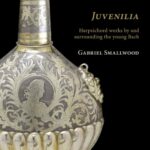
Juvenilia. Johann Sebastian Bach (1685-1750) : Fantasia en sol mineur BWV 917. Capriccio en si bémol majeur BWV 992. Prélude et Fugue en la majeur BWV 896. Toccata en fa dièse mineur BWV 910. Sonate en ré majeur BWV 963. Christian Ritter (c1645-c1725) : Suite en fa dièse mineur. Dieterich Buxtehude (c1637-1707) : Praeludium en sol mineur BuxWV 163. Georg Böhm (1661-1733) : Capriccio en ré majeur. Johann Adam Reinken (1643-1722) : Toccata en sol majeur. Anonyme : Courante en si bémol majeur. Auf meinen lieben Gott. Gabriel Smallwood, clavecin. Livret en anglais, allemand, français. Novembre 2024. 73’39’’. Ramée RAM 2409
On parle souvent de l'OPRL comme d'une phalange qui a les pieds dans le Rhin et la tête outre-Quiévrain tant il combine des assises conjointes dans les mondes germanique et français. Après la Pathétique du printemps dernier et ce concert d'ouverture de la saison 2026-2027, il semble s'intégrer parfaitement dans le monde slave. Une trajectoire qu'avait déjà initiée Gergely Madaras mais que Lionel Bringuier renforce avec un brio impressionnant. Tchaïkovski et Chostakovitch étaient au programme de ce concert qui sera encore donné samedi après-midi.
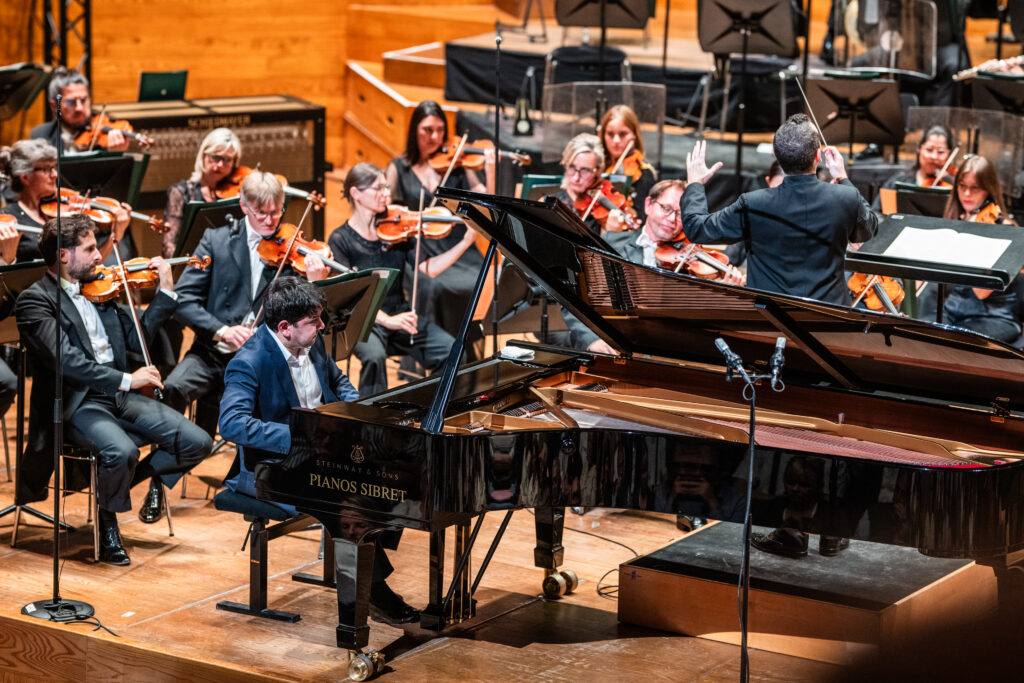
Le programme débutait avec le tube absolu, le Concerto n° 1 op. 23 de Tchaïkovski, mais c'est peu dire que Behzod Abduraimov nous en a donné une lecture révélatrice. On aurait pu attendre de ce pianiste formé à l'école russe de Stanislav Ioudenitch (à Kansas City) une grande démonstration virtuose. C'est au contraire une vision synthétique qu'il nous propose où, loin de guerroyer, le piano joue dans l'orchestre, ne réservant ses plus forts éclats que pour les quelques moments paroxystiques où il s'impose. Son piano chante avec un bonheur évident et sécrète de beaux contrastes entre les moments survoltés, toujours maîtrisés, et des parties apaisées et rêveuses d'une belle subtilité. La cadence semble ainsi nous raconter une histoire et l'andantino semplice chante avec une belle candeur tout en libérant le côté fugace de sa section centrale plus animée. Le finale prend, lui, des allures dansantes. Le dialogue avec les cordes est particulièrement subtil, notamment dans l'évocation en douceur du deuxième thème.
Voilà en tout cas une lecture qui dépasse la démonstration et nous fait découvrir des accents inédits dans un concerto par ailleurs souvent rabâché. En bis, Abduraimov nous donne La Campanella de Liszt, initiée dans des sonorités cristallines pour prendre finalement la carrure d'un orchestre tout entier. Ici aussi, ce pianiste se révèle un imaginatif créateur d'atmosphères : il confirme ainsi l'impression laissée par ses trois albums chez Alpha.
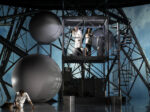
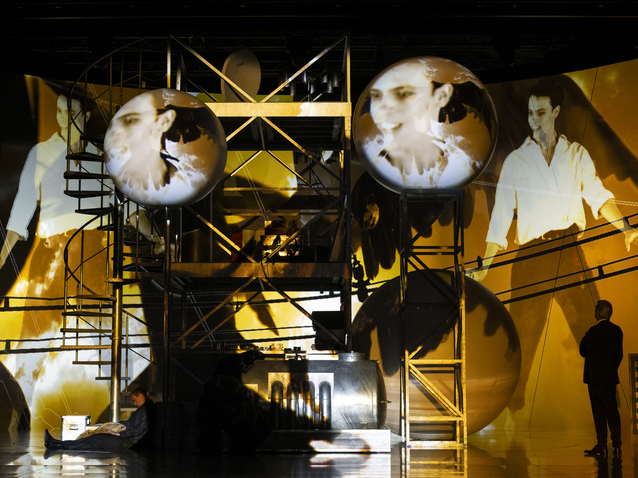
En septembre 2023, le Conseil de Fondation du Grand-Théâtre de Genève annonçait la nomination d’Alain Perroux pour succéder à Aviel Cahn à la direction générale de l’institution à partir de la saison 2026-2027. Après nombre de décennies, l’on faisait finalement appel à un Genevois, car c’est dans la cité de Calvin qu’Alain Perroux est né en 1971 et y a fait ses études universitaires et musicales. Après avoir repris les rênes de l’Opéra de Poche de Genève entre 2003 et 2011, il a été, de 2009 à 2020, directeur de l’administration artistique du Festival d’Aix-en-Provence avant d’être appelé à la direction générale de l’Opéra National du Rhin à Strasbourg. A Genève, il a d’emblée été confronté à un problème crucial, la fermeture du Grand-Théâtre pour raison de travaux. Ceci l’a contraint à modifier sa programmation pour l’adapter à la scène plus exiguë du bâtiment des Forces Motrices. Mais les anciennes turbines entreposées en ce lieu semblent avoir eu un impact considérable sur le choix du premier ouvrage de la saison, La Tempête de Frank Martin et sur Netia Jones qui en réalise la mise en scène.
Pour en venir à l’ouvrage, il faut noter que, entre l’été de 1952 et l’hiver de 1955, Frank Martin composa son opéra en trois actes, Der Sturm d’après la traduction allemande d’August Wilhelm von Schlegel de La Tempête de William Shakespeare (datant de 1610-1611). C’est donc dans la langue de Goethe qu’est affiché l’ouvrage à la Staatsoper de Vienne pour les Wiener Festwochen de 1956. Mais Karl Böhm renonce à diriger la création et il est remplacé par Ernest Ansermet qui est un ami proche du compositeur. Trois semaines avant la première, Dietrich Fischer-Dieskau, qui devait incarner Prospéro, doit y renoncer pour des raisons de santé ; et c’est l’un des membres de la troupe viennoise, Eberhard Waechter, qui apprend le rôle en l’espace de quelques jours. La création du 17 juin 1956, qui inclut en outre Christa Ludwig et Anton Dermota, remporte un grand succès public mais divise la critique. A Vienne, l’ouvrage ne sera joué que sept fois jusqu’à juin 1958. Mais en traduction anglaise, il est présenté au New York City Opera et à la BBC, alors que Zürich et Francfort reprennent la version originale. En 1967, Pauline Martine, la sœur du compositeur, élabore un texte en français pour cette Tempête dont le Grand-Théâtre de Genève assurera la création le 13 avril 1967 dans une mise en scène de Lofti Mansouri réunissant Ramon Vinay en Prospéro, Gisèle Bobillier, Eric Tappy, André Vessières, José van Dam, Pierre Mollet et Jules Bastin sous la baguette d’Ernest Ansermet.
Zygmunt Noskowski (1846-1909) : Variations et fugue sur un thème de Viotti ; Quatuor à cordes n° 2 en mi majeur ; Quatuor humoristique en ré majeur « Ganz wie es Euch gefällt ». Quatuor Meccore. 2025. Notice en allemand et en anglais. 50’ 47’’. Capriccio C 5559.